
Edition Sixty Nine
An interview with Matej Sefcik.
Social media.
It used to be cool. It used to be a place where you could get some valid opinions on your work as an artist. Today it’s a political cesspit where scantly clad women flaunt large chests and glutes all in the name of celebrity. Everyone is trying to sell you something. [my shop?]
Before it went down the tubes, and I suspect even now, if you dig through tons of ick you can find some interesting people doing interesting things.
I found Matej’s photography on Twitter. Spaces were all the rage back then and I listened in on quite a few of them. I started to follow him and from there it has been interesting to see his work and watch him grow as a photographer.
And now onto the meat and potatoes…
Can you tell us about yourself, your photography and what pushed you to take up photography initially?
Thanks for having me! I’m a 26 year old photographer and filmmaker living in New Jersey (just outside of New York City), but I’m originally from Slovakia where my family emigrated from when I was really young. I first picked up a camera in university after realizing Biology wasn’t for me, so I decided to switch to pursuing a degree in Film Production.
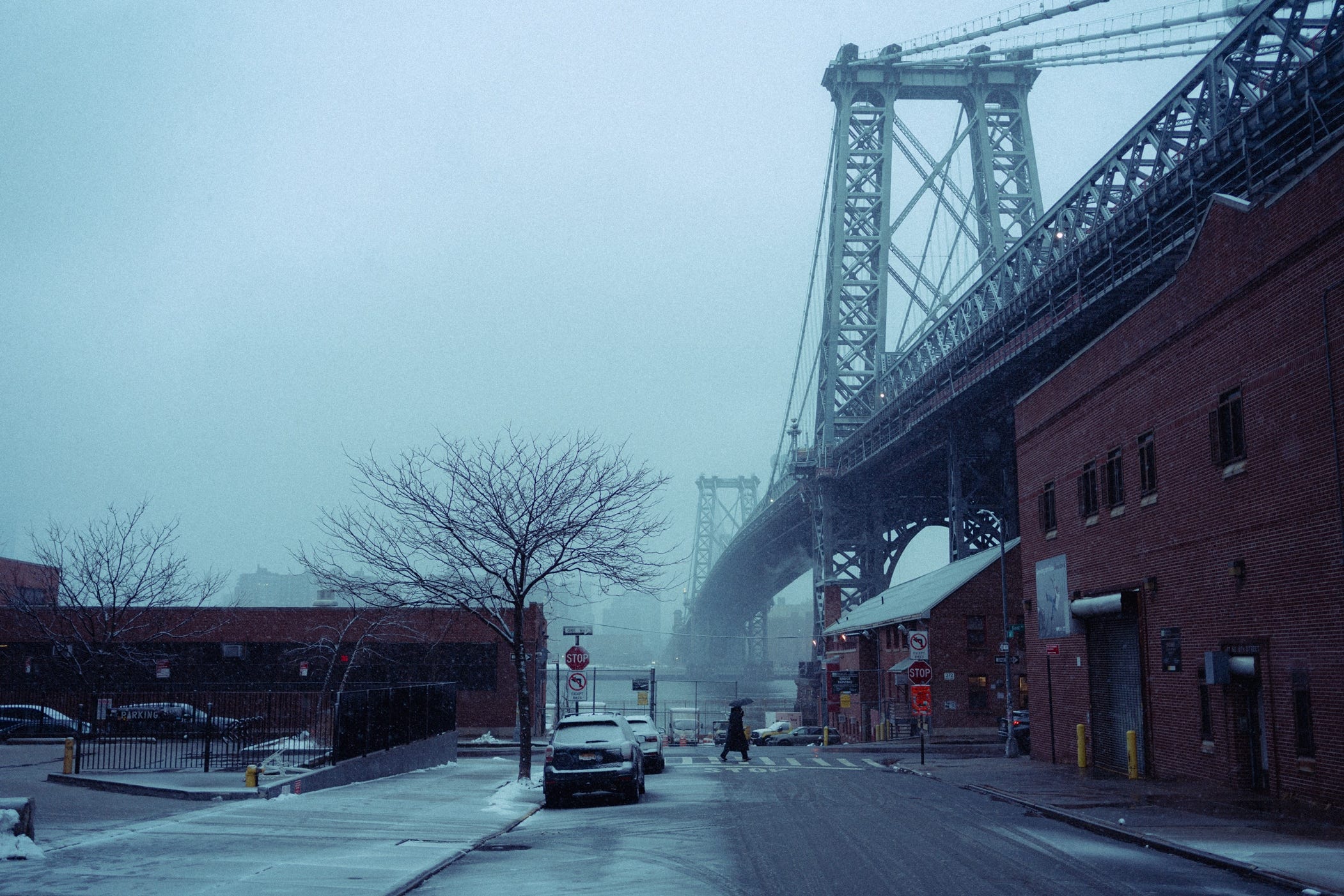
I always liked making short videos with my friends throughout my childhood so I figured I had a bit of a natural interest in filmmaking, and I was also really interested in traveling so all I would do is watch travel videos on YouTube which lead me to buying my first camera, then discovering street photography soon after, and then that helped me get to where I am now. I’m primarily driven by the visual aspect of photography and art over the storytelling/documentary side so I don’t typically seek out any kind of narrative to my work. With that said though, if my images also happen to carry a narrative, that’s an added bonus. I started posting videos on YouTube about 2 years ago about photography and my experiences and I also freelance by doing different types of commercial photography/videography.
Behind the Sensor. This is a series of videos on your YouTube channel where you talk to other photographers. Doing interviews & talking to different people from the same field tends to change perspectives for both parties. What have you learned talking to different photographers?
I’ve learned a ton. Having NYC as my hub for creative work has allowed me to meet so many different types of people and photographers. I initially started the series simply because I wanted to shine a light on photographers I think deserved more eyes on their work (and also because I was too scared to talk about myself/my own work). It’s always interesting to hear from people who are older and have more life experiences than I do. I’m always curious about other peoples’ processes – how they interact with people on the street, what catches their eye, their relationship (or lack thereof) with the gear they use, etc.
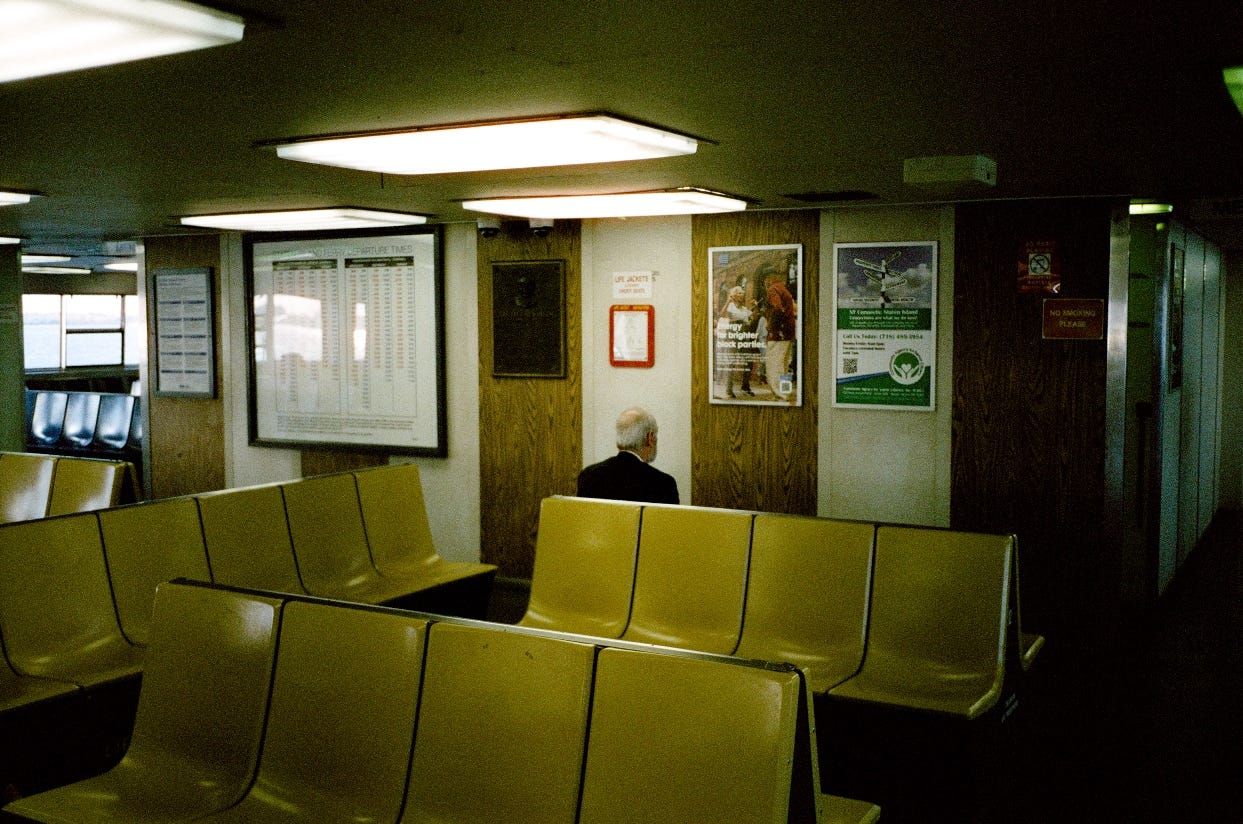
I’ve had photographers on the series who have some very different work than mine and it’s always interesting to hear what inspires them and why they take photos the way they do. I also really like to talk about the confidence aspect of street photography because it’s always been something I’ve struggled with in terms of confrontation and interaction so being able to see how someone like my friend Tony Menias (who has a completely different personality than me) works has given me a lot of insight about how to approach certain scenarios.
Social media can be a place of extremes. Thousands of likes, hundreds of views VS no likes, insults, negative comments. What has your path been like with social media and how has your approach to using social media changed?
Social media is both the best and worst thing for me. On one hand, I’ve met some of my best friends through social media and it has allowed me to share my work to thousands of people all over the world and make money while doing so. On the other hand, I (unfortunately) have been programmed to determine my self-worth based on the numbers, which is a very toxic mindset, and I know I’m not the only one who struggles with it. There have been plenty of times where I would delete posts if they don’t get a certain amount of likes/comments in the first few minutes after posting, but there are also times where I’ll post work that I don’t exactly feel the greatest about and it’ll perform really well and so many people will tell me they like it, so it’s a double-edged sword. When I started YouTube, I definitely got more negative comments than I did on Instagram because I do think Instagram is a bit more of a positive echo chamber.
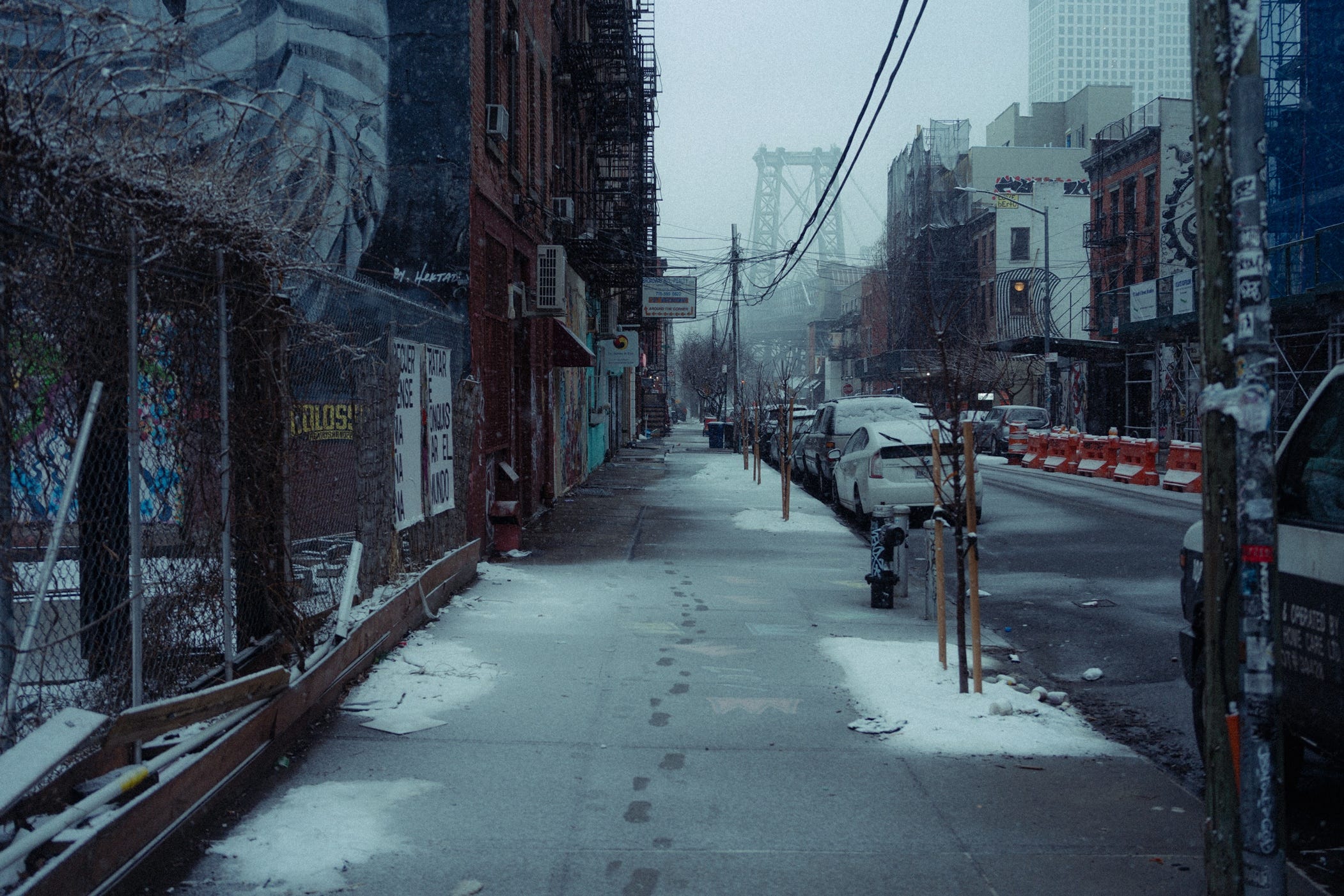
I feel like people share more of their personalities on YouTube and that opens the door for more criticism/hate/negative feedback from people, especially ones hiding behind an online alias. In the beginning I wasn’t really used to it, and I’ve gotten better at dealing with negativity over the last year but I won’t lie and say it doesn’t affect me at all because it still does (to a certain extent). I’ve also learned to identify constructive criticism when it’s hidden in a hateful statement and I think a lot of people could benefit from being able to separate those two things and actually take criticism. Overall though, I wouldn’t say my approach to social media has changed much over the years. I post what I like and want. As my accounts and channels grow, it definitely opens the door for more hate/criticism but it’s just something you have to deal with. You can’t please everyone, so you shouldn’t create for anyone.
I’ve asked this question before of other street photographers - how does street photography differ (in your opinion) from country to country - Boston VS Costa Rica for instance? Do you have any interesting stories that happened while you were out doing street photography in foreign countries?
When it comes to talking about the differences between different cities/countries, you can separate it into look and feel: how different certain cities look compared to others and the kind of photos you’ll come away with, and how you feel while you’re taking photos (motivated/uninspired/scared/etc.). The way people react to cameras, to the way the light hits buildings and streets, to how colorful different cities are, it all factors into how my work looks in different parts of the world. Whenever I arrive in a new city or country, I try to take a day or two to get a feel for my surroundings and how people react to me and that can potentially dictate where or how I shoot or how comfortable I feel getting closer to people.
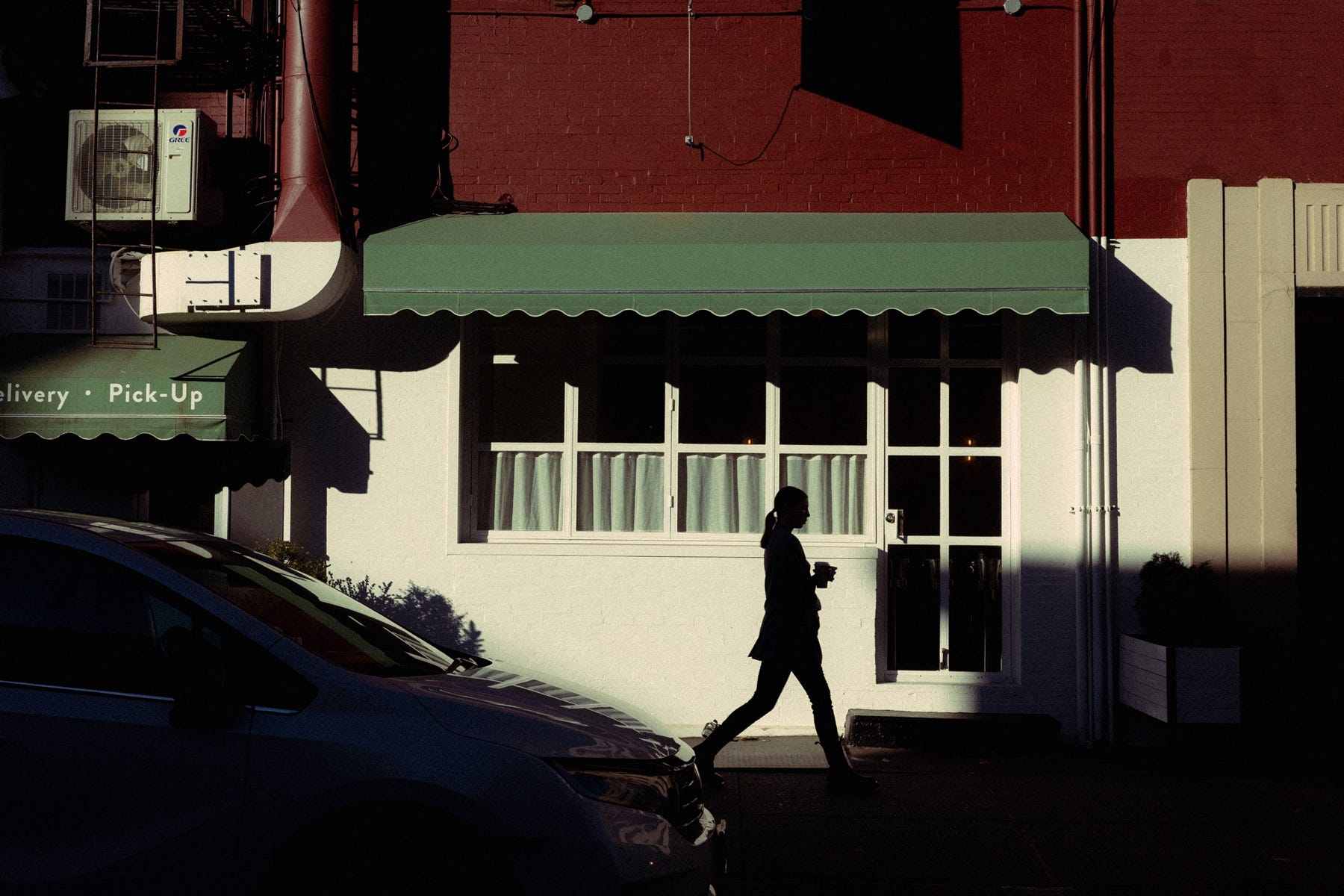
Some places I feel more inspired and motivated, and others not so much. I always try to keep to myself and respect people’s surroundings. I’ve only had a few scary/negative encounters and it’s usually from random people (who aren’t in the right state of mind) coming up to try and start problems – and that has only happened in NYC. Aside from some people telling me not to take photos of them or just shoo-ing me away, I can’t really think about many memorable stories. I think traveling and photographing new places is one of the best things you can do – not only to grow in your photography, but also to experience new things and cultures and learn as a person.
It looks simple to take up photography as a job - get onto social media, start a channel on YouTube and within a year or two switch over to being a full time photographer. The reality is very different I suspect - what has your experiences been around going from someone doing photography as a hobby to doing it as a full time job?
I think a lot of people romanticize making photography their full time job, but it comes with a lot of challenges. The unknown of when you’re getting your next paycheck, being unable to find the motivation to pick up your camera for personal work, the expenses that come with it – it’s not very glamorous. There are days where I envy some of my friends who have a steady, full-time job and there are days where I’m extremely grateful I was able to turn a hobby of mine into my career. When I picked up a camera in college, I didn’t know what kind of career I wanted – I just knew I wanted it to be in the creative industry.
As my photography interest grew, I did a bunch of different portrait/event/real estate freelance work to try and make some money while in college because that was the only thing I was interested in, but it was never really steady so I eventually decided to get a full-time corporate job in 2022, which I ended up quitting after 7 weeks. When I quit, that was my sign to put all my energy into freelance work, and then social media soon after. Since I never really felt comfortable or stable in that corporate job, it was easier for me to make that jump to full-time photography. I was also a bit younger so I didn’t have a family to support so that definitely made it easier. Also, because I live in such a populated area of the country, there are a lot of opportunities to find work, you just have to be persistent and determined when it comes to finding clients.
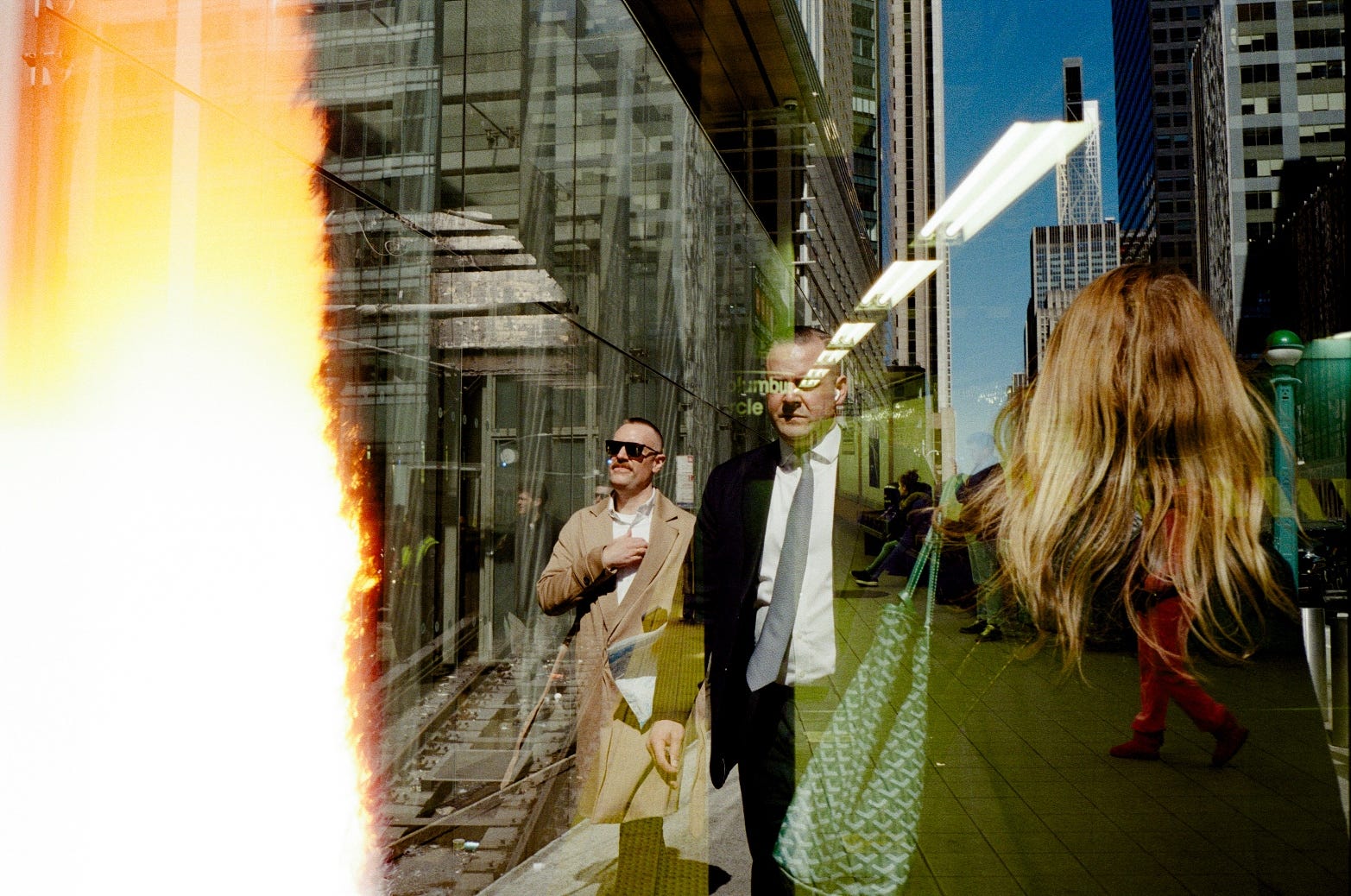
However, I knew I wanted to somehow make money from my street photography, and it seemed like using social media to monetize it was the more direct route. I always loved watching YouTube videos, so it was something I always wanted to do myself and I think I started at a good time in regards to how confident I was in my own work to share it in that way. However, to this day, I still make a majority of my income through my commercial clients but I’m hoping to get that to a more even split over the next few years.
To end off our interview - your thoughts on AI in photography, the future of social media for photographers and any advice to photographers struggling with creative block?
AI can be really helpful with certain things related to photography, but also extremely dangerous. I’ve used some generative AI tools to do things for some client work like removing a reflection from a window or removing an unwanted lens flare, but never more than to that extent, and I would NEVER use it to generate something that doesn’t exist. I don’t think AI is inherently bad, I think it’s about how people use it.
People using AI to completely generate fake images and then calling it “photography” should be called out and shamed. A lot of people believe that AI will kill the future of photography, but honestly I don’t think so. Yes, there will be brands/people who would rather generate soulless images instead of paying real photographers, but honestly, those are not clients worth working with anyways. I don’t think AI will kill photography, but unfortunately it will probably get to a point where it’s indistinguishable, and that is when things will really start to get scary.
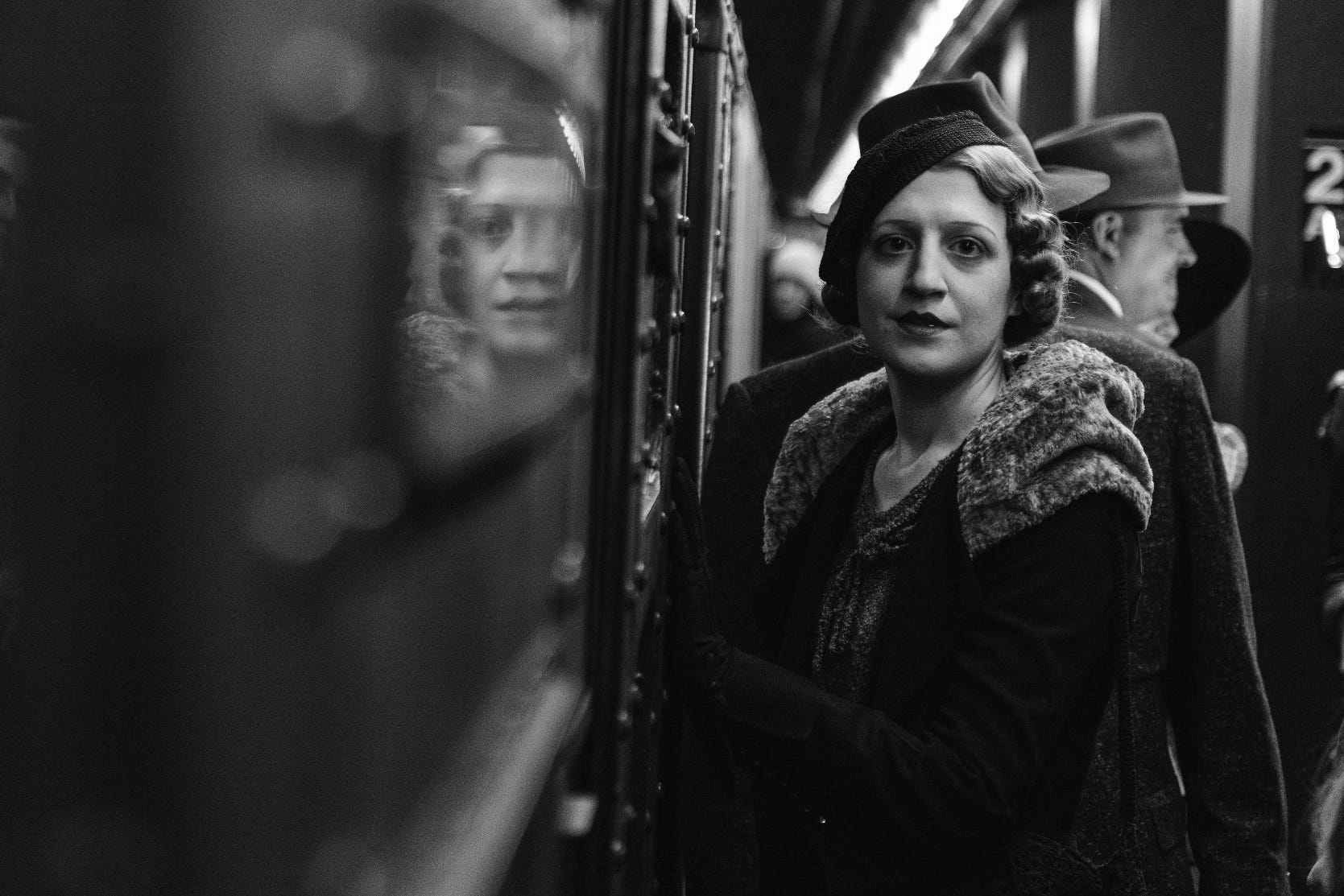
This is where social media platforms will need to play a critical role in properly and consistently identifying and disclosing when content has been created using AI because a lot of people fall for it. In the end, as AI becomes more prevalent, I think photography will matter more than ever. - Every photographer/artist will go through a creative block countless times – it is completely normal.
My best advice would be to not force anything. Sometimes it’s beneficial to completely step away from photography for a few days/weeks and focus on other things and naturally, your energy and creativity will come back to you. Constantly being creative isn’t very realistic, so you can’t expect it.
In closing.
If you are interested in Matej’s newsletter you can subscribe here. Once you are on his website take a look at the photos - definitely an interesting collection IMO.
Thanks for reading : )
Nice one, Richard! I really enjoy your interviews. I find the issues around how much AI to use is always a good barometer. Take away, but don't add, seems to be the way most people feel good about it? Very interesting. Thank you both!