
Edition Seventy One.
The Validation tax.

Time flies.
A year ago I wrote about Instagram. How the application shaped my ideas around photography and how it was mutating into an advertising platform. In this past year of using it I have seen the mutation continue and sometimes wonder how it got so bad.
I’m not under the illusion that Instagram will turn my work into something viral. But I am interested in using it as an advertising platform to sell my photos. Looking at content which tends to jump into my feed due to ‘popularity’ I am starting to have my doubts on the success of this endeavor.
A photographer who is new to the platform won’t achieve the results that the ‘first generation’ of users saw. A few common complaints tend to be centered around low reach and a focus on saves.
Saves are one of the strongest signals on Instagram because they show long term value, not just instant reaction. When people save your content, it tells the algorithm that your post is useful, reusable, and worth showing again. This is how smart creators grow faster without chasing likes or comments.
Instagram created a system for photographers and it was rigged against them from the start. It was sold as a gallery. In reality the internal workings had always been focused on turning it into a massive engine for advertising. You can make money from subscriptions but targeting advertisers? That is the real cash cow1.
The riptide of the algorithm pulled you into different directions in an attempt keep showing up on people’s feeds. After all the boxes were ticked you might have a chance of showing up - in terms of volume you are facing 1.3 billion other posts each day.
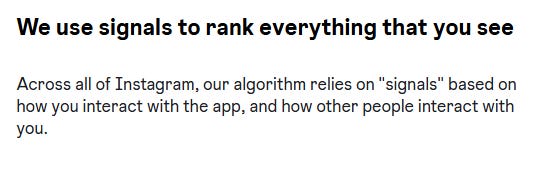
Metric as merit.
Designed to capture our attention when the app launched, we didn’t have an idea how it would change our photography process. Instagram focused on retaining attention first and then as a gallery for people to view your photos. From the start engagement was going to be priority.
This methodology turned our passion for photos into a chase in an attempt to share our work with other people. Instead of sharing because we wanted to, we shared them because the algorithm said so. More posting meant a better chance of landing in front of many eyes.
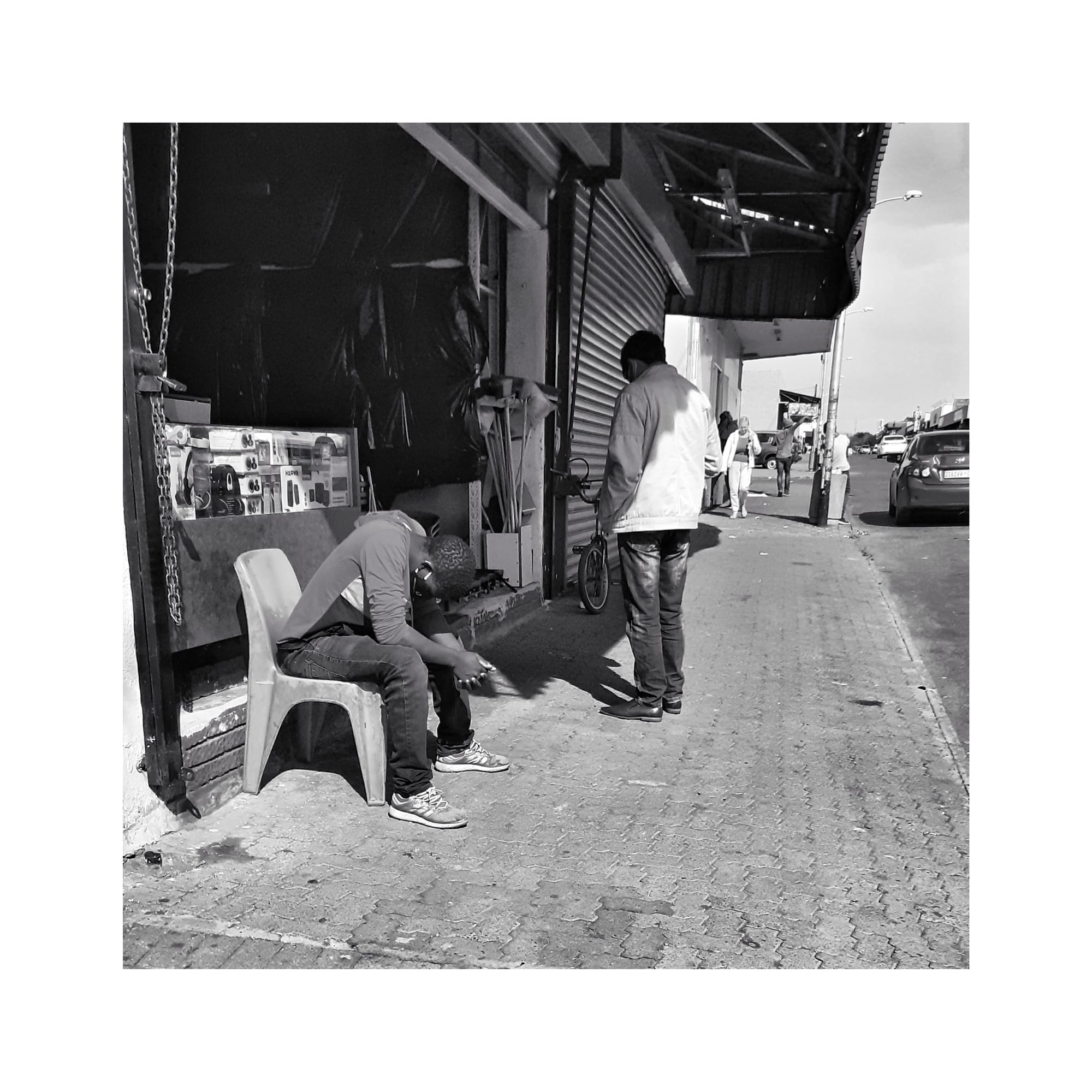
We searched for the optimal time to post. When engagement was highest. It had become a cadence system which required you to be more focused on being a regular poster VS a photographer. Instagram forces the user to adapt to its routine.
Being a photographer isn’t the only imperative anymore.
You have to know about heatmaps, interactions, trends and today - signals. Hashtags make it easier to target a specific group of viewers but popular images tend to drown you out if you don’t have a high follower count or post at least 2 or 3 times a day. This cost of entry made it difficult for a lot of photographers to get eyes on their work - regardless of the reason.
The digital camera excelled as a mechanical device being able to capture hundreds of images in a single go. It became a metaphor for how we should take photos. Forgoing the act of taking photos which made you feel good. Taking photos which made the viewer think and which wasn’t intended to be scrolled past in 0.5 seconds.
"The algorithm is designed to optimize for the 'average' of everyone; art is designed to optimize for the 'specific' in you. Instead of being a good photographer you need to be a popular one for the platform to benefit you.”
Instagram focuses more on popularity. Popular images tend to dictate what is ‘good’. Photos with a lot of likes online become a trendsetter. If you are a photographer new to the platform you might start identifying elements within this popular photo as must haves for a good photo.
Popular things (the cute cat, the smiling puppy, a filtered landscape or vibrant sunset) are liked by more people. Regardless of their complexity or difficulty to photograph. It gets the images pushed into more feeds because popularity was king on the Instagram playground.
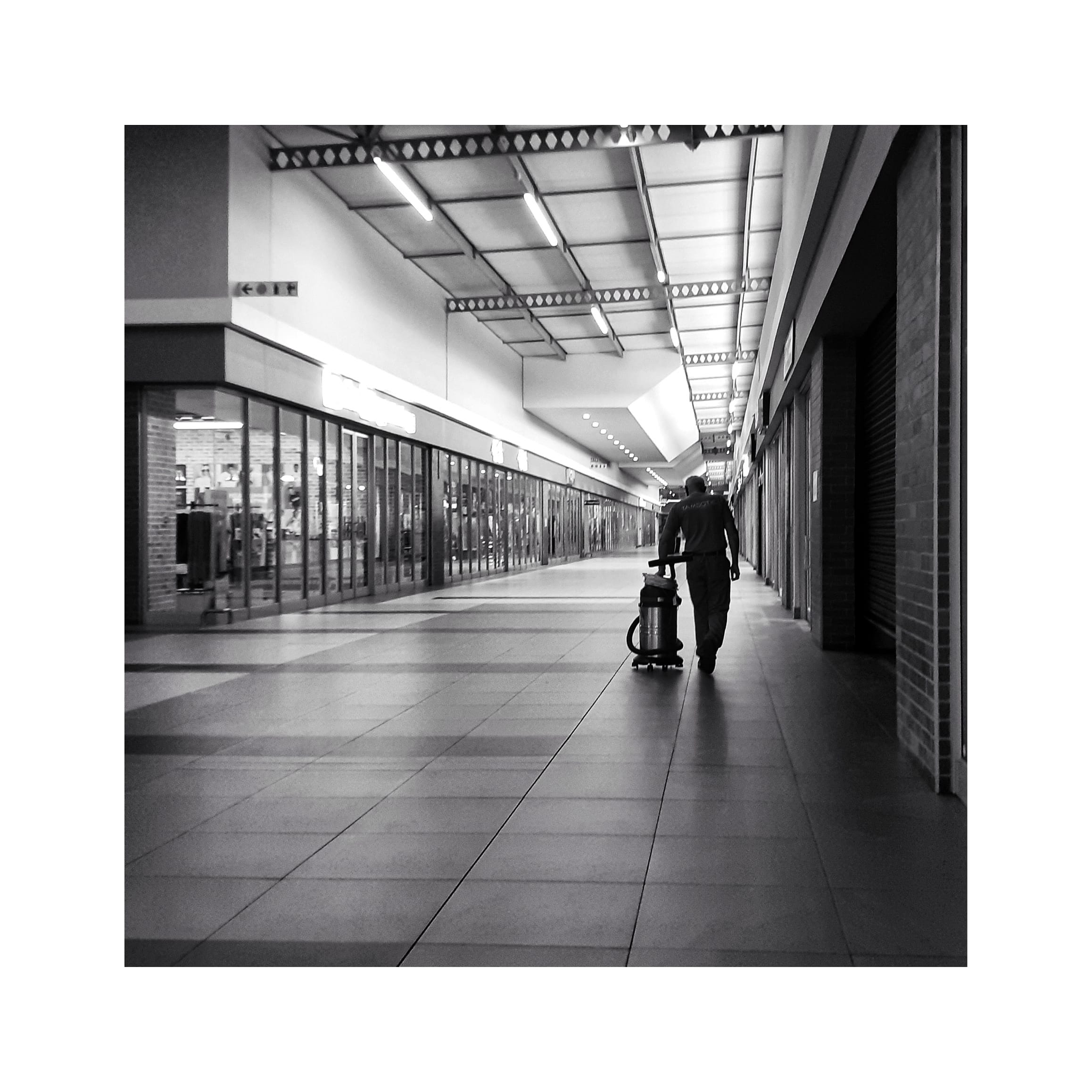
Images which required something deeper than a quick hit didn’t resonate with the viewer. A photo that isn’t as easy to process means you don’t scroll to the next dopamine inducing puppy or kitty. This is less advertisements you could potentially see.
For advertisers this isn’t optimal.
The like wasn’t as much an indicator of quality as it was an indication of being seen. Engagement criteria like posting at the wrong time meant your photo didn’t tick the boxes and didn’t appear on the timelines of followers. I used to think (incorrectly) that no likes equaled poor quality photos while the algorithm actually determined what was displayed.
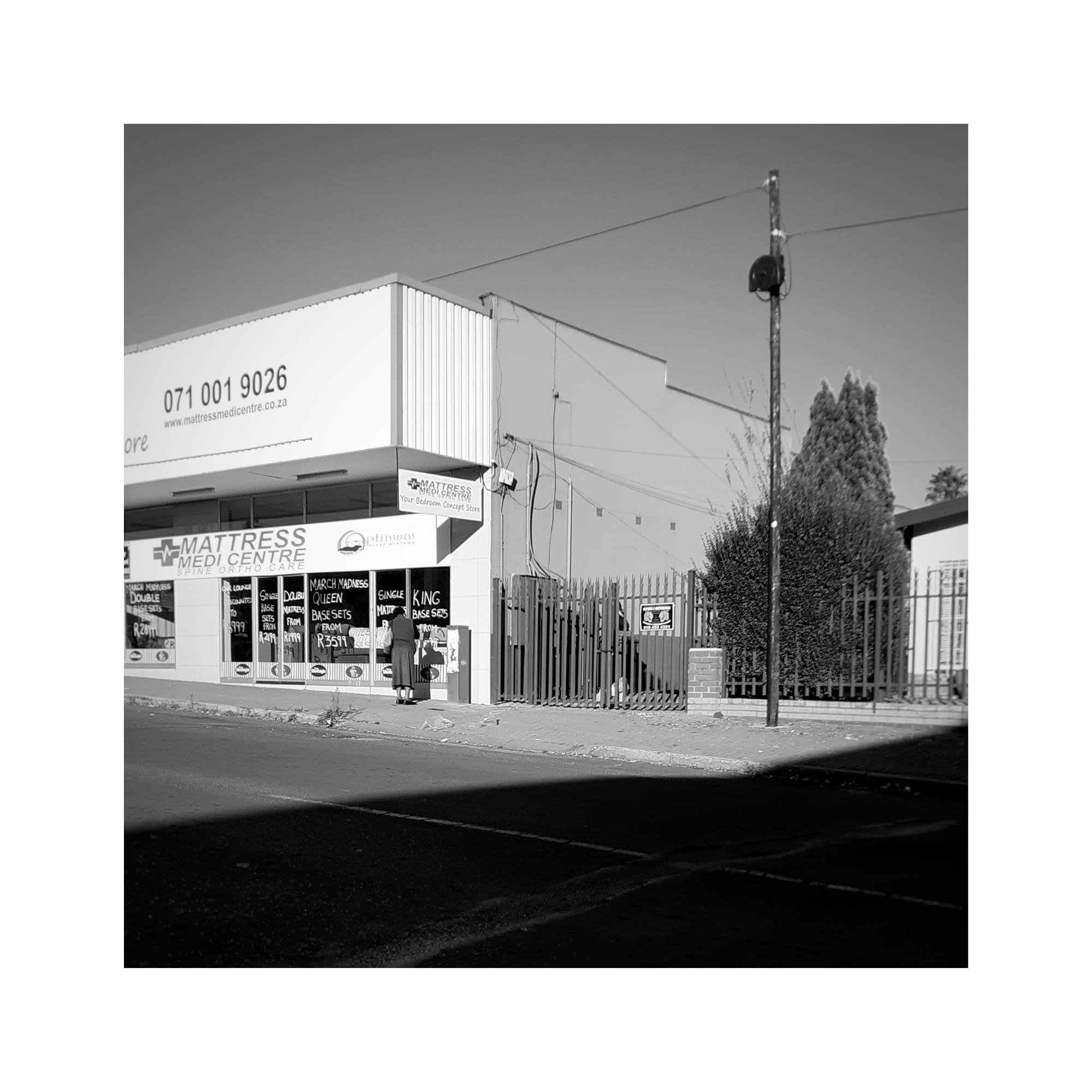
Photography became like a 100 meter dash. Instead of a marathon where growth takes place over a longer period of time. The rush to capture photos in specific locations or with specific items deterred a lot of photographers from sharing their work.
The project we worked on for a month or a year or even longer might feel empty because it doesn’t match the standards of Instagram - in choosing to scrap or not share this program we lost of the growth we gained through the process.
The definition of good became something that is data-driven.
In closing.
Instagram did a number on us.
Our ideal was simple: to go out, take a photo while enjoying the process and sharing this with someone. We want our photo to speak about us, our world and hopefully stay in someone’s memory for longer than 0.5 seconds.
Breaking out of this system often requires decisive action. For me it was deleting the app from my phone. The constant notifications and exposure to a variety of content made me question my photos, my process and to an extent other parts of my life. It was becoming something I didn’t enjoy doing. I still use the app on my computer with the idea of selling images. I limit my time to a few minutes and a post, maybe twice a week or so.
For my photos - I don’t ‘capture’ for Instagram anymore. I captures images which I enjoy. I post images of which doesn’t fit a trend, I don’t use the hashtags because I suspect my work might resonate with you more if I don’t force it down your throat.
Thanks for reading : )
I'm just glad I never signed up for an Instagram account. But then again I like going against the flow 😉
…when here inevitably becomes there again i’ll continue to be somewhere dreaming of an adfree algorithm free anywhere (online)…we all get sold every single day, but almost none of us see a dime (or a penny) for it…